

[ad_1]
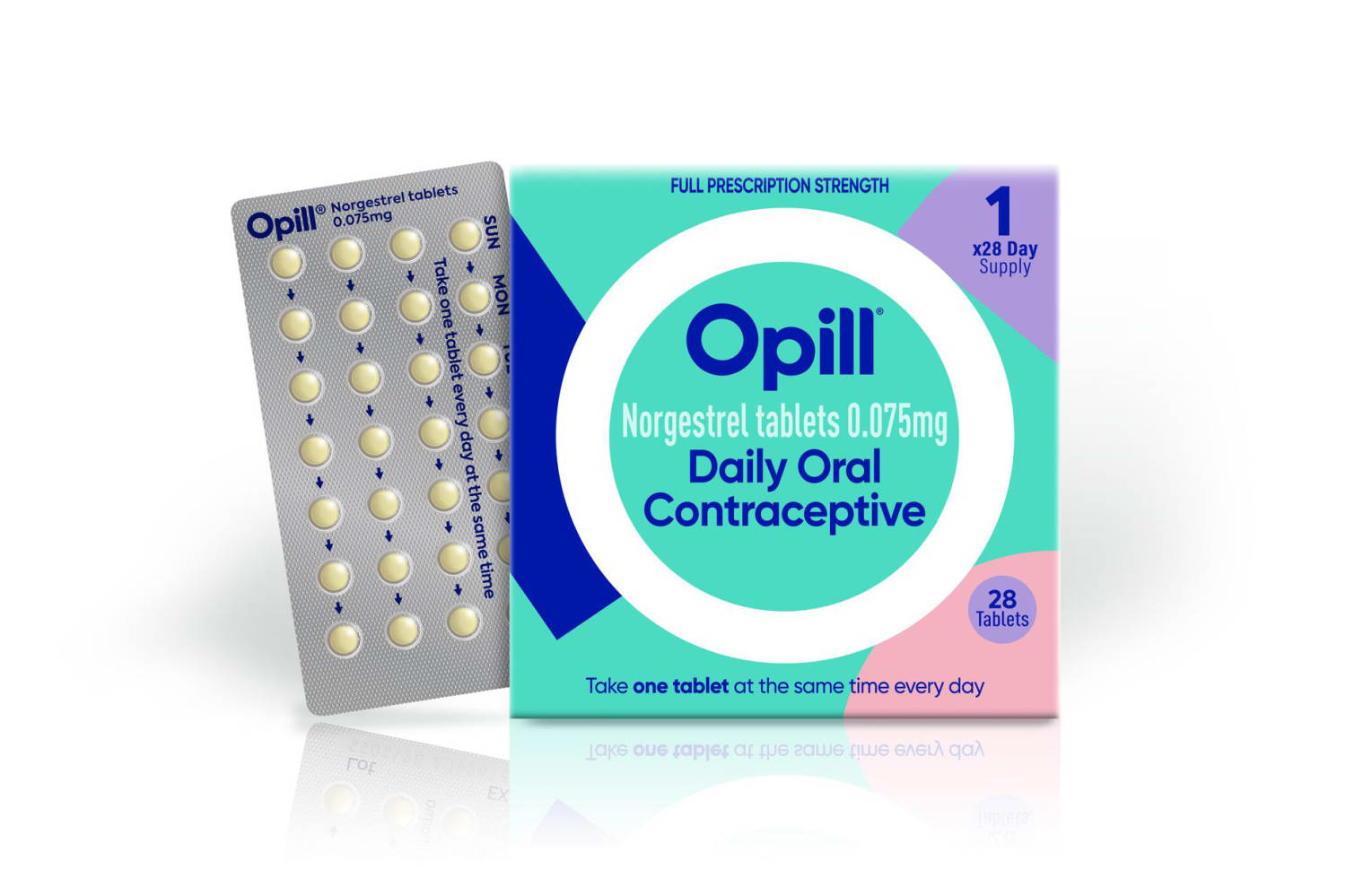
Advisers to the Food and Drug Administration on Wednesday voted unanimously to recommend making a birth control pill available without a prescription.
The 17-0 vote by two FDA advisory panels came despite serious reservations from agency officials about the quality of the data used to support switching the birth control pill, called Opill, from prescription to over-the-counter. The FDA did not have concerns about the safety and effectiveness of the drug.
The FDA is not required to follow the recommendation of the committees, though the vote is expected to weigh heavily on the agency’s final decision, expected in late summer. If approved, Opill, from French drugmaker HRA Pharma, would be the first birth control pill available for over-the-counter sales in the U.S.
“Opill has the potential to have a huge positive public health impact,” Kathryn Curtis, a scientist at the Centers for Disease Control and Prevention, said following the vote. Making the medication available over the counter should increase access and reduce unintended pregnancies, she said.
Advocacy groups have been pushing for years for an over-the-counter birth control pill. Many major medical organizations, including the American Medical Association and the American College of Obstetrics and Gynecology, support over-the-counter use.
The meeting took place over two days, and included two FDA advisory groups: the Nonprescription Drugs Advisory Committee and the Obstetrics, Reproductive and Urologic Drugs Advisory Committee.
On Tuesday, FDA officials pointed out several flaws in the company’s data, including a lack of information on whether people, including those with low literacy skills, would be able to understand the drug’s instruction label. Failure to take the birth control pill at the same time every day could lead to unintended pregnancy, they said.
FDA panel members, however, said Wednesday that they believed most women could determine on their own whether the medication is appropriate to use.
“We need to trust women,” Dr. Katalin Roth, a professor of medicine at the George Washington University of School of Medicine and Health Sciences, said after the vote. “I urge the FDA to approve.”
HRA Pharma also noted that even when the birth control pill is prescribed, women can still miss doses, citing studies that about 15% of women may miss three or more doses at least once per month.
Agency officials were concerned about side effects, such as vaginal bleeding, and whether people, particularly teens, would know to seek the help of a health care provider.
Another concern was whether women with breast cancer or a history of breast cancer would know not to use the drug. FDA panel members said they didn’t expect that to be a problem because they said many women with breast cancer are aware they should not use hormonal contraceptives.
Dr. Karen Murry, an FDA official that oversees nonprescription medications, acknowledged the importance of increasing access to effective contraceptives, noting that the agency has been put in a “very difficult position” because the company did not provide “adequate” data.
The FDA approved Opill as a prescription drug in 1973. It contains one hormone, progestin, and is taken daily.
The move to switch from prescription to over-the-counter comes amid legal battles regarding women’s reproductive rights.
Last summer, the Supreme Court overturned the landmark Roe v. Wade ruling that guaranteed a constitutional right to abortion. Another case, which could limit access to mifepristone, one of the drugs used in medication abortions, is currently working its way through the lower courts.
During the FDA meeting, representatives for HRA Pharma said that making birth control over-the-counter could prevent more than 37,000 unintended pregnancies in one year.
The company also noted that over-the-counter birth control pills are already available in several other countries.
FDA officials noted, however, that other countries often do not treat nonprescription medications in the same way as the U.S.
In other countries, in addition to prescription and over-the-counter use, there’s often a third category: pharmacist dispensed. While a person in another country may not have to get a physician’s prescription, they may have to speak pharmacist who may or may not dispense the medication.
Follow NBC HEALTH on Twitter & Facebook.
[ad_2]


